During the war, the narrator spends many months in a sanatorium 🤒🤕🛌, far from Paris (Proust drew inspiration from…
Translated from French.
During the war, the narrator spends many months in a sanatorium 🤒🤕🛌, far from Paris (Proust drew inspiration here from a shorter stay he made following his mother’s death in late 1905, before beginning to write his great novel). He returned home for just two months around August–September 1914, for a medical examination (which resulted in him being exempted from military service). Then, in 1916, he received a brief visit from his friend Robert de Saint-Loup for the last time:
🖋️ “When Saint-Loup came into my room, I had approached him with that sense of shyness, with that feeling of the supernatural which, deep down, all those on sick leave inspired, and which one feels when one is introduced to a person suffering from a terminal illness who nevertheless gets up, gets dressed and still goes for walks. He seemed (…)”
> The rest of the extract is in the comments… 📎
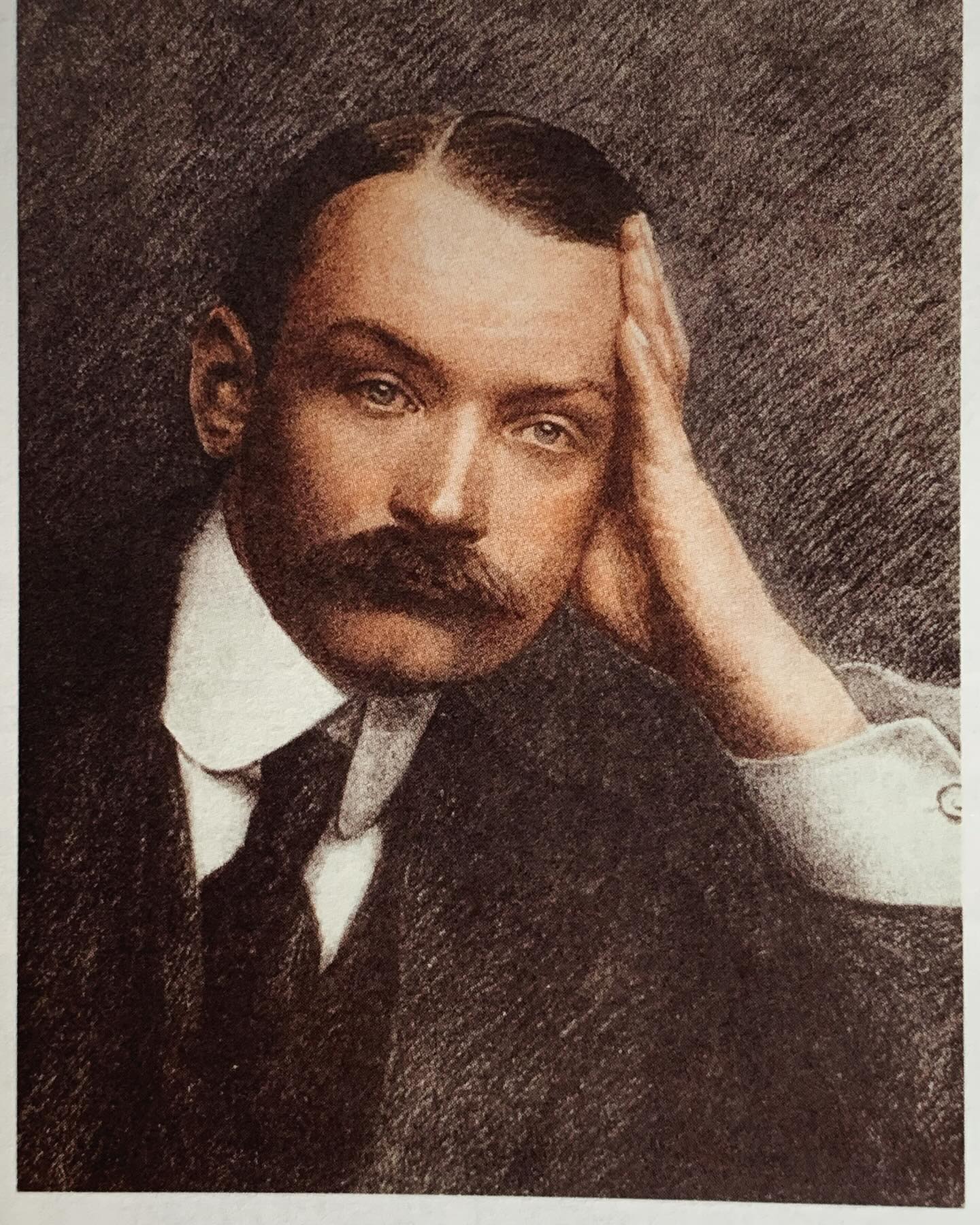
Robert de Saint-Loup, in this passage in particular, owes a great deal to Bertrand de Fénelon, a close friend of Proust’s, who died on 17 December 1914 on the battlefield. ⚰️🪦
The illustration is taken from the beautiful @parismusees catalogue (p. 201) of the exhibition “Marcel Proust: A Parisian Novel”, which was held at the @museecarnavalet in 2021–2022.
#MarcelProust #LeTempsretrouvé #RTP #RobertdeSaintLoup #Tansonville #Combray #proustagram
— Marcel Proust, “Time Regained”, 1927
Pléiade 1954 (ed. Clarac and Ferré), vol. III, p. 757