From Cézanne to Proust.
Translated from French.
From Cézanne to Proust. 🖼🖋
“We often retain a less clear impression of people we’ve seen very often, as the overlapping of different images makes their outlines less distinct.” 🫥
— Marcel Proust, letters to his friend Horace Finaly, (shortly after 8 May 1921), @editions_gallimard 2022, p. 69 📚
This idea, expressed in his private correspondence, is very much in keeping with what the novelist sought to convey in his work. Do you remember the portrait of Albertine, and the mole that shifts across her face, when Marcel tries to reconstruct her features in his memory, at a time when he saw her almost every day? 😨😰
In Balzac’s work, the physical description of his characters was summed up in two or three brushstrokes and remained two-dimensional. 💁🏻♂️
In Proust’s work, both physical and moral reality always elude us: it is elusive. 🙅🏻♂️🤷🏻♂️ Proust introduced Time into the novel, which is like inventing the three-dimensional portrait.
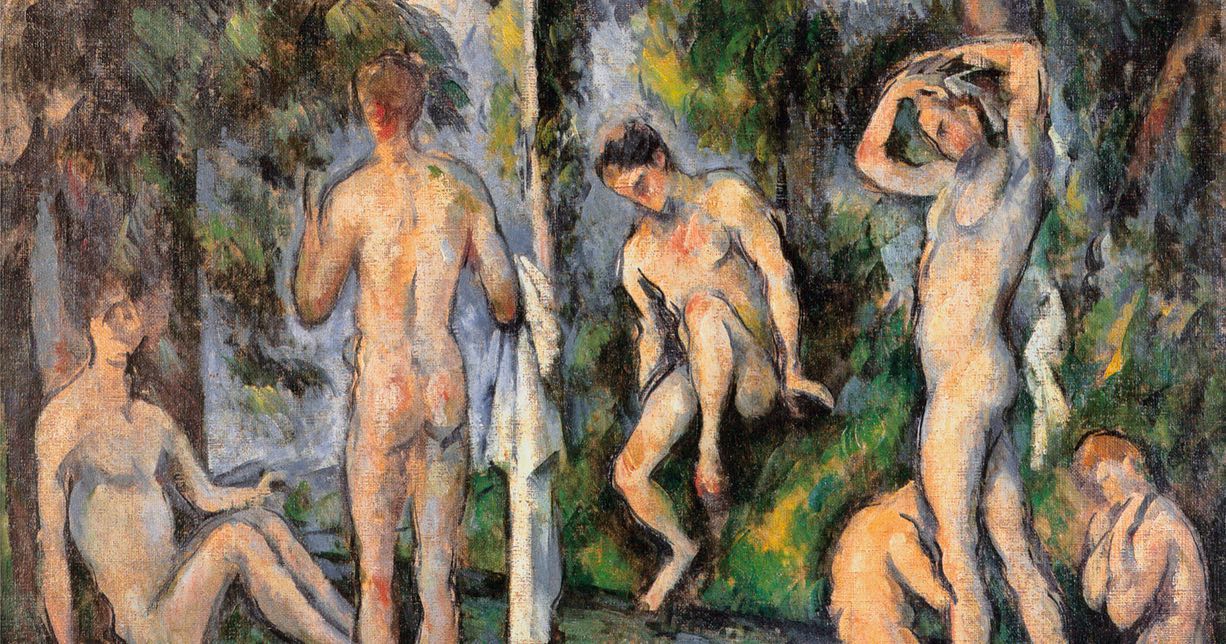
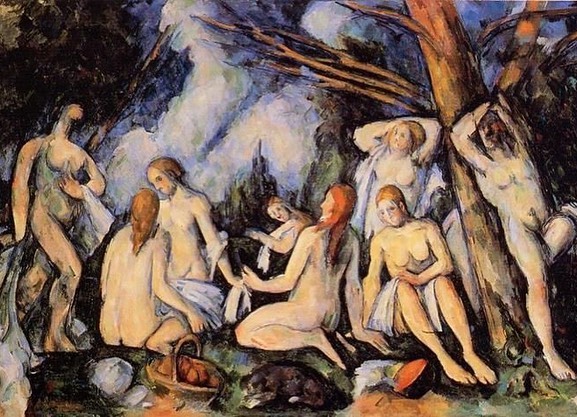
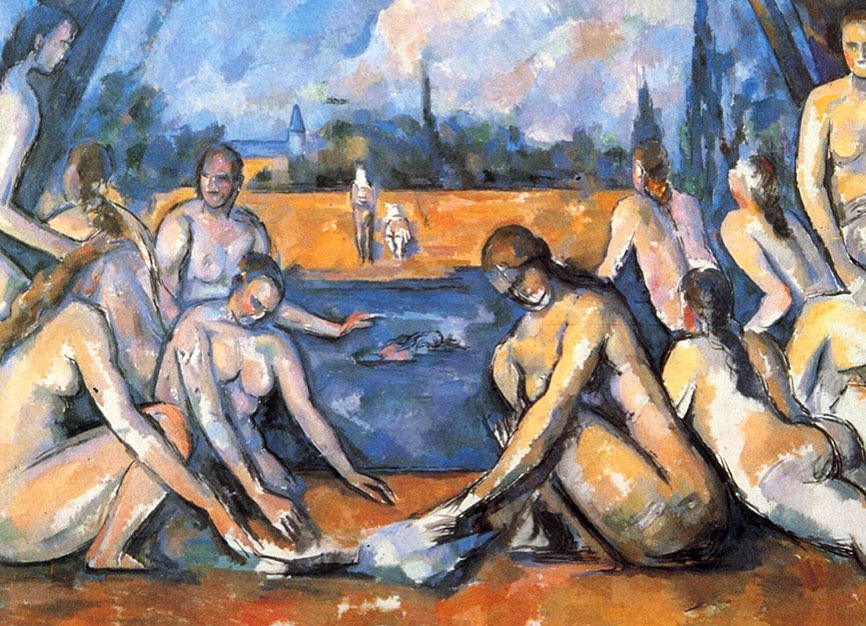
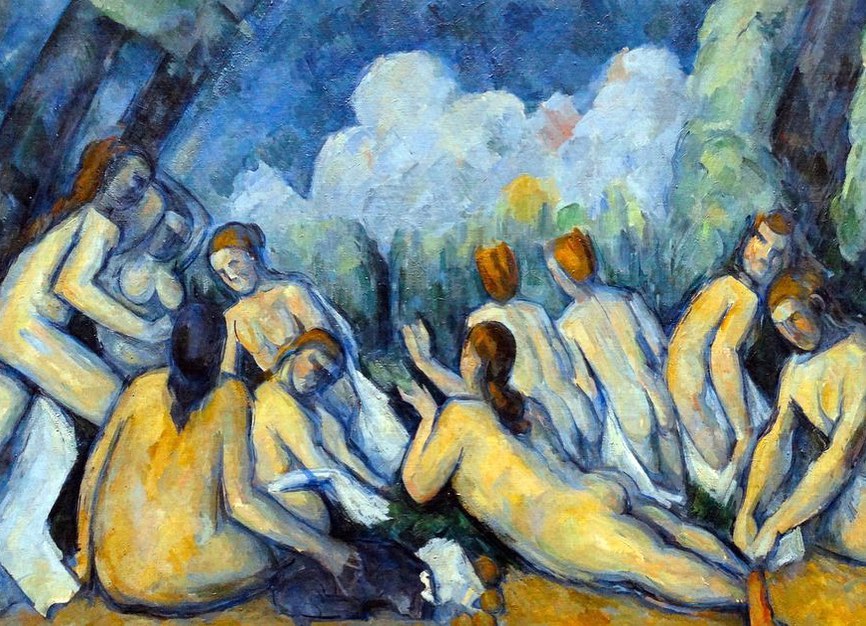
One thinks of Cubist portraits depicting, simultaneously, the various facets – all of them unfaithful and incomplete – of a single face; one thinks of the work of the young Picasso, whom Proust met and whose work he was sensitive to. Further on, one is reminded of Picasso’s master: Cézanne 🍎🍊 and his nude silhouettes of male and female bathers… 🌿✨
#contourindécis #portrait #marcelproust #RTP #proustagram #centenairemarcelproust
In short: I don’t know if it’s all those naked bodies that are to blame, or whether I’ve already hit rock bottom with my bank balance… but the request (which costs money, mind you)… hasn’t been approved! 🙄
Let’s have a laugh together… 😂
I’ll make up for it soon by ‘spicing up’ the scene with Charlus at the brothel in “Le Temps retrouvé”: as the censors can’t read, we’re in for a laugh. 🤭
— Georges Cattaui, “Marcel Proust and His Time”, 1956