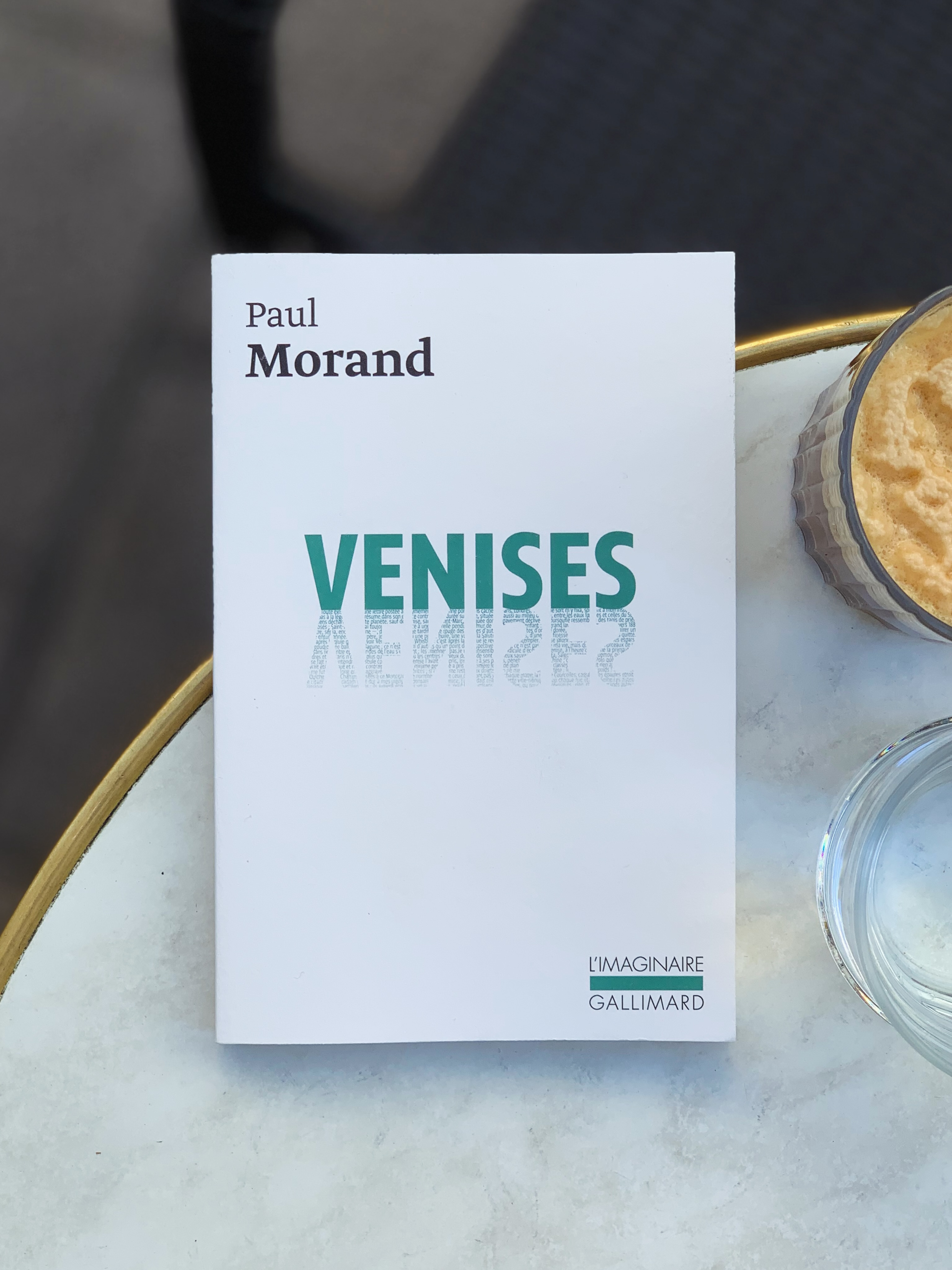
Paul Morand is a bit of a character.
Translated from French.
Paul Morand is a rather odd character. 🫤 A contemporary of Cocteau, whom he met before the “Great War”, he was 17 years younger than Proust. He began an ambitious career 🧳 in the shadow of Philippe Berthelot, a leading figure at the Quai d’Orsay. He wrote a famous ‘Ode to Marcel Proust’, already mentioned here, the familiarity of which the man himself was only moderately appreciative of. 🚪
In 1921, he published his first collection of short stories, “Tendres stocks”, for which Proust agreed to write a somewhat lukewarm preface. A right-wing politician, he contributed to “Le Figaro” 🗞️ and developed a worldview that could be described as neo-colonial, racist and misogynistic.
During the Second World War, Morand was close to the Vichy regime and zealously expressed his anti-Semitism through his “War Diary”. 😓 The troublesome fellow therefore went into exile in Switzerland after 1945. The ‘Hussards’ group then held him up as a role model.
In this collection of writings centred on Venice 🎭 and spanning some seventy years of observations, presented in the style of a reconstructed diary, he alludes to Proust on several occasions, without resorting to anecdotes or saying anything particularly significant.
Moreover, the tone of this collection is rather unpleasant, peppered with obscure allusions and self-importance. What is most striking is the chance convergence, within the same book, of his memories of the ‘Belle Époque’ and his observations, after 1968, of young hippies passing through Venice on their way to the East. A spatio-temporal ‘disorientation’ 🛰️😵💫 that Proust might well have appreciated.
And so this is where my “Ode to Paul Morand” will come to an end.
Comments 6
Comments translated automatically.
On Instagram