In the 1920s, Proust was often criticised for not writing in a classical style.
Translated from French.
In the 1920s, Proust was often criticised for not writing in a classical style. Malicious critics sought to exclude him ⛔️ from the French literary scene, singling out his Jewishness and the ‘Talmudic’ structure of his style. This is documented, amongst many other works 📚, by @enoitan in his excellent essay “Proust du côté juif”, published in 2022 by @editions_gallimard.
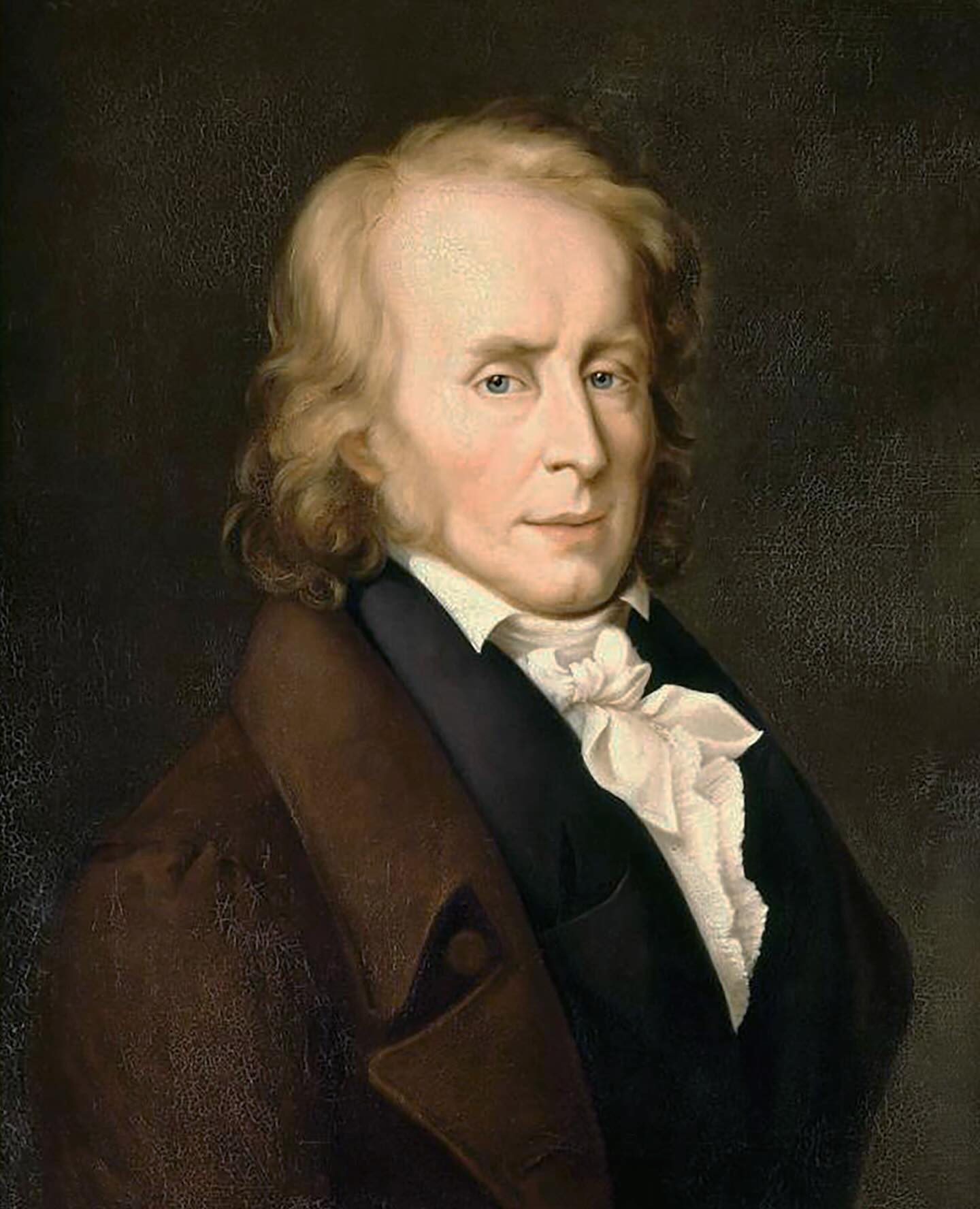
Conversely, it has been said of Benjamin Constant (born in Lausanne) that his writing was “classical but without the classical flair” (to quote Charles Du Bos via Wikipedia). 🤔
It’s enough to make your head spin! 😵💫 And it’s clear that the adjective ‘classical’ most often implies either inclusion in or exclusion from the realm of national literature. Assuming that classical French literature – that of the 17th century in the strict sense – were uniform… which it isn’t, of course. 🤷🏻♂️
Proust is a moralist and, as such, there are numerous links between his work and the ‘Grand Siècle’. In his novel and correspondence, he cites numerous 17th-century figures: Racine, Molière, La Bruyère, Madame de Lafayette, Madame de Sévigné… 💜
Benjamin Constant is, in a way, the archetype of the Romantic writer. A follower of Rousseau, a contemporary of Chateaubriand, and politically engaged: like Proust, his literary output ranged from essays on morality (political and religious) to autobiographically inspired novels. “Adolphe” is regarded as his masterpiece. 🖋️
Benjamin Constant’s prose would therefore be that of a classic Romantic in spite of himself; Marcel Proust’s, that of a classic Jewish writer in spite of himself. 🙄
To define a style is to narrow the lens through which we appreciate it. Perhaps this is why Proust favoured poetic imagery (metaphors, metonymy) and the accumulation of adjectives that are sometimes contradictory: to avoid placing an irrevocable label on things, places and characters. 🔖
#MarcelProust #BenjaminConstant #LittératureClassique #Classique #Classicisme #GrandSiècle #Racine #Sévigné #Gide #Moraliste
Finally, as she wasn’t saying a word to me, I resolved to break the silence, and I began, blushing, with my eyes downcast, and in a very
moved:
— ‘You may well be surprised,’ I said to her, ‘at the step I am taking. I would be very sorry if I had given you an unfavourable impression of myself through something I had not confided in you, had it not been for your tender affection for me, which encouraged me to do so; the confession I made to you—and your silence makes me fear you may be hurt by it—was wrung from me by an irresistible impulse of trust in you.
I was saying all this as I stopped
with every word, and without looking at Mrs Saurin. However, as she did not reply, I looked up and could tell from her surprised expression that she did not understand a word of my speech.
I asked her if she hadn’t received my letter. It turned out she hadn’t.”