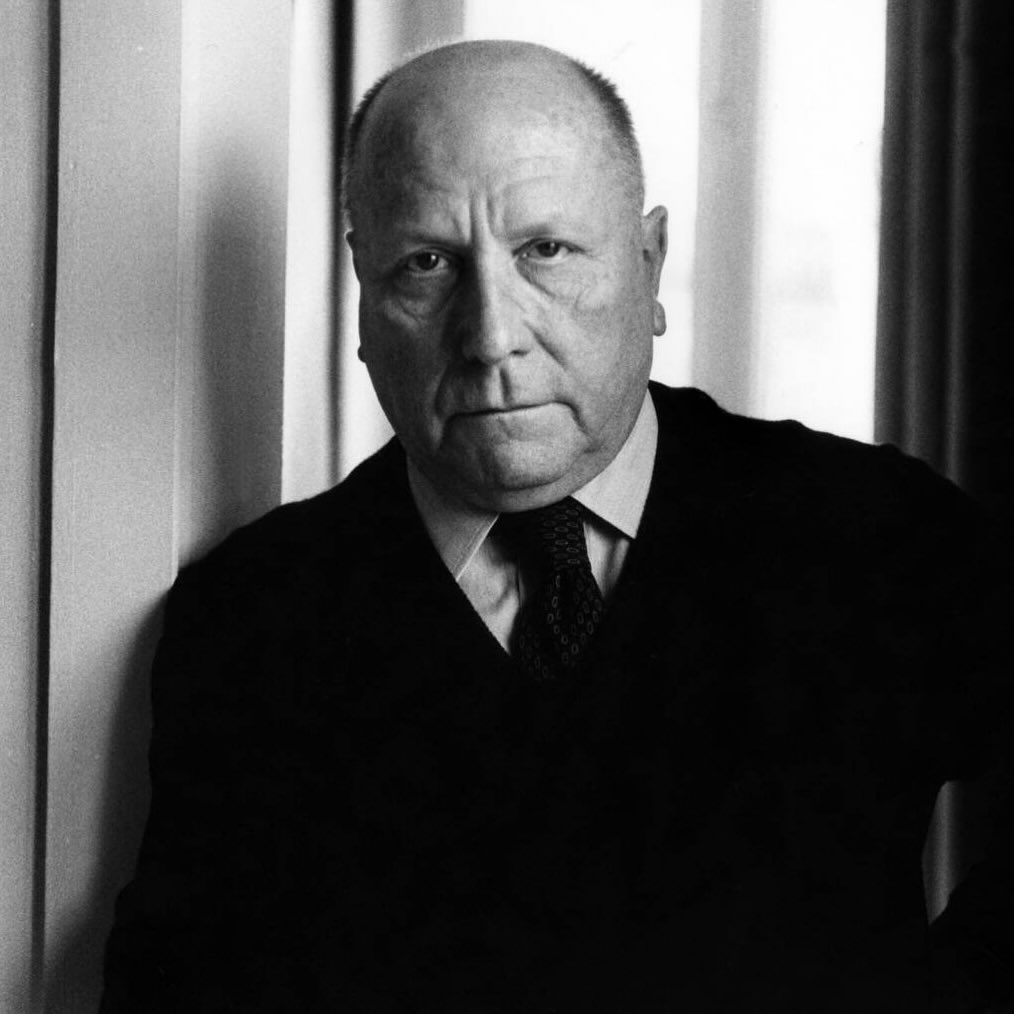
Jean-François Revel (1924–2006) sets out a number of paradoxes 🤔.
Translated from French.
Jean-François Revel (1924–2006) sets out some paradoxes 🤔. Speaking of Proust, for example, he assures us that in “In Search of Lost Time”, ‘time plays no part whatsoever in the narrative or in the progression of the story.’ 😨 That the theoretical argument of the two types of memory (voluntary and involuntary), borrowed from Bergson, is a cliché, and that there is nothing more tedious to reread than the episodes of reminiscence. 😰
Revel tries to take the Proustian reader by surprise. 😵💫 And to achieve this, he plunges headlong into his own dead ends right from the very first pages of this essay. For example, by choosing to ignore Proustian criticism, with the exception of Bernard de Fallois, whom he quotes without any critical distance or context. 📚
But the fundamental mistake Revel makes in seeking to challenge Proust – as if by claiming to return to the text and his own impressions as a reader – is to deliberately conflate Proust with his narrator 🤵🏻♂️🖋️. As if the Search were in no way a didactic construct. As if the work had neither a moral underpinning nor any structure other than that of a ‘hand-stitched’ work. 🪡
According to Revel, therefore, the narrator is Proust. And Proust is not a writer of fiction, but a chronicler 🗞️, a realist. The height of the paradox is that Proust’s metaphors are flat (Revel cites three chosen from amongst three thousand pages – which shows just how little concern he has for being exhaustive):
🖋️ “Whatever he himself may have thought, it is not when he is metaphorical that Proust is a great writer, but when he is direct; and it is not when he is a poet that he is original and has something to teach us, but when he is a realist, a storyteller and a chronicler.” 🥴
Fortunately, the book’s final sentence, which reads like a closing confession, puts everything back into perspective: “To speak of an author is to express, by drawing on his work, one’s own thoughts on the subjects he has addressed.” 🥸
QED.
#JeanFrançoisRevel #SurProust #MarcelProust #proustagram #RTP #LesCahiersRouges #BernarddeFallois #JeanSanteuil #ContreSainteBeuve #Albertine
Comments 8
Comments translated automatically.
On Instagram